Follow Us:



-
Home
- Promotions & Bookings -Contact GC
- GC Artists A - H
- GC Artists K - Z
- The 2026 Georgia Country Awards
- Atlanta Country Nights
- Book a Georgia-Country.com Artist
- Georgia Country Artist Schedule
- Statewide Country Music News
- National Country Music News
- Major Concerts
- The Crystal Peach
- Statewide Georgia Artists
- National Georgia Artist and Videos
- Reviews - CDs, Venues, Bands and more.
- Country Music Venues
- Gallery
- Local Artist Videos





The Crystal Peach
The Crystal Peach is a page dedicated to interviews of industry leaders, major artist, local acts that is moving up in the industry, etc, commentaries from the GC staff and more.
BELOW IS OUR INTERVIEW WITH FAITH JACKSON, THE LATEST GEORGIA ARTIST TO SIGN A DEAL IN NASHVILLE. WE ASK HER HOW SHE STARTED, ABOUT MOVING TO NASHVILLE AND MORE! (Feb 12th, 2025)
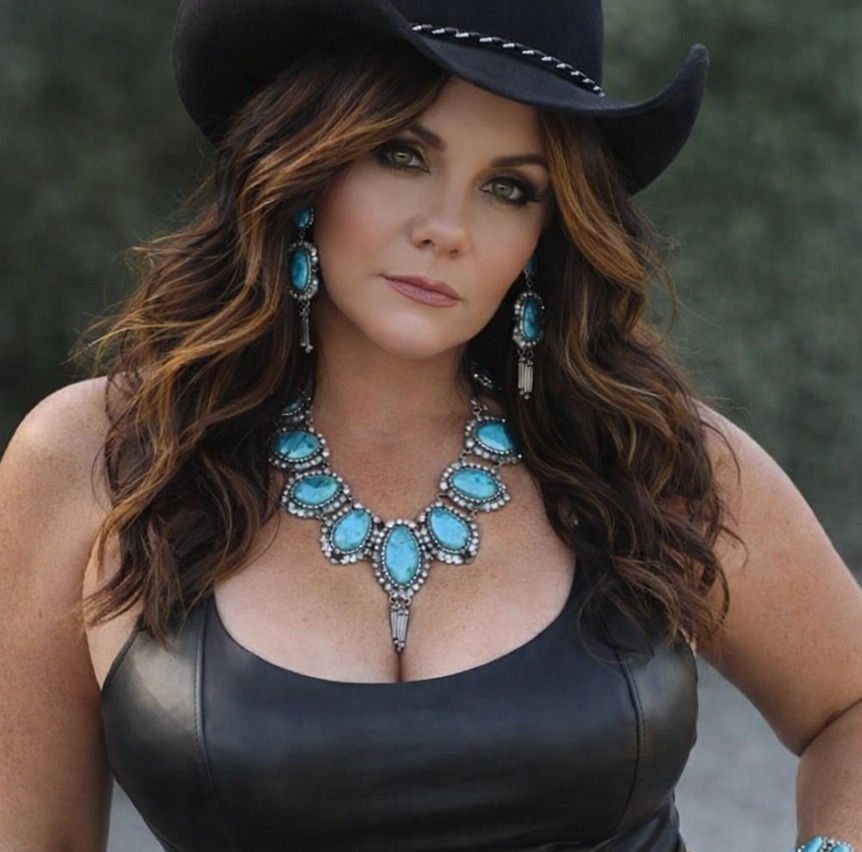
Q. Faith, congrats on signing a deal the other day. That has to be a goal you always had when you started your music career. When did you start singing publicly and what was your motivation of wanting to pursue a career in music?
A. My career actually begin after heartbreak and I used music as therapy. After a devastating miscarriage, music became the only thing that could calm my spirit. Later for my children it became a mission to prove that no matter what anyone ever tells you it's important to pursue your dreams to be whatever you want to be in life.
Q. Tell us where you are from and when and where you first performed in front of a crowd. What was the song you sung?
A. I'm from the small town of Camilla Ga but my career really started when I moved to Leesburg Georgia after my first performance in Colorado. The first song I ever sang with a band was Jennifer Nettles song Gotta Be Something More.
Q. Who where your influences early on?
A. Easy question for me. First Patsy Cline , Loretta Lynn and Gretchen Wilson.
Q. Who is your all time favorite country artist and why?
A. If I had to say an all time favorite it would be Patsy Cline. HER VOICE TOUCHED YOUR SOUL PERIOD!
Q. You're from Georgia. What was your favorite venue to perform at early on and why?
A. Two actually, but unfortunately neither one is still open. They left me get my feet wet and allowed me early on in my career to be who I am as an artist. The One Trick Pony owned by John Lutrell and The Putney Oyster Bar owned by Mr Bobby Wilson. They let me cut my teeth and gave me a chance when others wouldn't.
Q. When and why did you decide to move to Nashville?
A. I moved to Nashville several years ago because I wanted to really experience and learn as much as I could about the business from some of the best in the industry.
Q. Every act eventually wants to move to Nashville. What are the pros and cons of living there and pursing a music career in Nashville?
A. The pros are obviously being surrounded by the music and the industry. The cons.. it's easy to get wrapped in the idea of Nashville and sometimes forget your roots . I encourage artist always remember your roots.
Q. What has been your biggest highlight of you career so far outside of signing with Left Lane Collective?
HONESTLY my highlight is that my friends and family still support me and want to see me succeed.
Q. What tips would you give anyone that wanted to move to Nashville and get signed to a deal?
A. Don't worry about signing a deal, concentrate on your dreams, the reason you do it , the fact that God gave you a talent and you need to use it for good. If you never forget that you will find that if you are walking through the doors that God opens for you, you will be right where you are supposed to be in the time that you should be there! NEVER give up or listen to those that try to bring you down!
Q. What is your goals in country music for the next few years?
A. I plan to keep making music, keep doing what I love and letting God put me wherever I'm supposed not be!
For more information on Faith Jackson, go to FaithJacksonMusic.com
INTERVIEW WITH ASHLEY BROOKS, THE 2024 GEORGIA COUNTRY AWARDS OVERALL ARTIST OF THE YEAR AND CURRENT TWO TIME FEMALE ARTIST OF THE YEAR. (May 30th, 2025)

GC: Ashley, tell us when and how you knew you wanted to have a career in country music?
AB: Growing up and seeing my dad playing on the stage and his love for music.. it just kind of instilled that same dream in me as a child.
GC: What was your first performance, what did you sing and how did that go? (public performance)
AB: I played at a hometown bar that was just renovated from being a barbecue restaurant. It was my first time ever playing on a stage with a band, and we sold out with the whole hometown making an appearance. Since then, that place has been bulldozed down.
GC: Who were your country music idols growing up and why?
AB: I would definitely say I lean towards older country, for example Loretta Lynn and Leanne Womack, but I'm a sucker for some Gretchen Wilson. Always will be.
GC: What one country act (past or present) would you love to sit on the front porch swing with and have a chat with and why?
AB: Dolly Parton because she's a fellow female musician and I would love to hear her mindset on overcoming any adversity as a female artist and how she kept persevering to get where she is today.
GC: What is your all time favorite country song and why?
AB: Fist City by Loretta Lynn. It's sassy as hell and tells a story about whooping someone's ass..what's not to love?
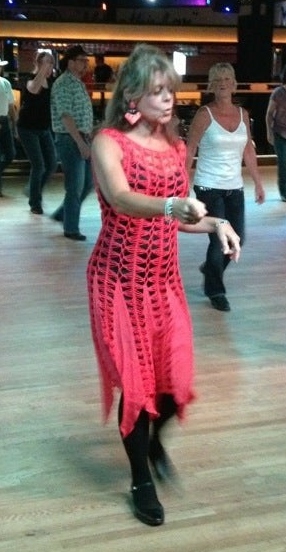
GC: If you could open up for any act today, who would that be? AB: I'm grateful for every opportunity that comes my way as a new artist, but opening up for Lainey Wilson would be the biggest blessing. GC: You have won back to back Georgia Country Awards Female Artist of the Year and last year also won Overall Artist of the Year. How has that affected your career? AB: It's definitely brought a lot of new followers and listeners. People start to take you a little more seriously when you have something behind your name like an award. I have been nominated for Female Vocalist of the year for the Josie Awards this year that's held at the Grand Ole Opry...so fingers crossed. GC: You have a very distinctive, country twang in your voice and value traditional country. Do you think country music with all its variations, bro country, pop country and all, could use more traditional country acts? AB: I think yes because that's where the roots run. We all know the roots are important. GC: What venue locally do you enjoy performing at and why? AB: Probably Sixes Tavern in Cartersville, Georgia. It's one of the first bars I played at and gave me my start. It's so good to see a lot of familiar faces that have been there since day one instead of strangers. GC: What are your plans for the next year and where would you like to be in five years with your career? AB: To keep putting out music that people wanna listen to, that brings them some sort of emotion, can help them through a situation. And in five years, I hope to have played at the Grand Ole Opry or I'm doing something wrong! Mike, give us your background and how you got into radio? I got my start in radio with my first full-time job at a Top 40 radio station in Mankato, Minnesota, which is about 70 miles from Minneapolis where I grew up. I have been programming Country radio stations since the 1990s in places like Omaha, Orlando, Hartford, Portland, Oregon and now in Atlanta since 2019. What is the best thing about working for a station? I truly love the people I work with. Kincaid, Dallas, Garrett, Rachel Ryan, Lucas, and the rest of my staff are terrific! I also love meeting our listeners and helping raise money for local charities. How as country radio changed over the years? The format always ebbs and flows between traditional, rock and pop sounds. Thankfully, we seen to be more in a traditional or rock phase now with artists like Lainey Wilson and Zach Top having HUGE success. My personal preference is more traditional, or rock based. What would be your one best piece of advise to anyone wanting to get into radio? See if you can volunteer or work part-time at your local radio station! They are usually hiring part-time event staffers, particularly in the summer when we are usually busy with shows, community events and festivals. Be willing to work hard, dependable and ask lot of questions. We always have a need for hard working you people, who want to learn about the business. How has Sirius XM had an effect on radio? Honestly, Satellite Radio by itself has had very little impact on terrestrial radio. By comparison, they're audience is much smaller market by market. What has impacted radio, television and all media is smart phones. Nowadays, nearly everyone has a complete world entertainment in the palm of their hands. YouTube, Spotify, Amazon, Apple Music, Disney Plus, Satellite radio, etc. People can watch or listen to anything they want when they want it. It used to radio, TV, and newspapers. Now there are many more things competing for the public's attention. How does the station determine what songs are played? We listen to everything that comes in or that we find. We do ongoing audience research to determine which songs are working best for our audience and develop our playlist from there. What would be your advise to a singer starting out to get their music on radio? Corp to the mom & pop station. That's a tough one. First, make sure you invest in a quality recording. (We get lots of submissions from local artists that aren't produced well.) Second, does it sound like the music you hear on the radio? Third, do you have real fans and a social media following? (These are all things we use when considering local artists) Finally, do any of the stations in your area do a specialty show for local musicians? If so, they may be more receptive to your music. We have a show Sunday evenings from 7-11pm for Georgia based country artists. Where do you see over the air radio in 10 or 25 years? As I mentioned earlier, the world of media has become more and more competitive over the years. As long as radio has local, compelling personalities, who engage their listeners we'll still be here. Leslie is the main line dance teacher at Atlanta Country Nights. Monthly dance in Marietta. Leslie, you have been line dance teaching for years now? Tell us when you started and where? I started line dancing when I was 37 years old in Maryland - Moved to Louisiana in 1997 where I started teaching at Franco's Fitness Club then moved to Georgia in 1999 - I have been teaching almost 27 years - I am now 64, soon to be 65 in May - Medicare and Social Security here I come : ) What club or venue is or way your favorite place to teach and why? I really do not have a favorite club and/or venue because I enjoy and love teaching line dance - As long as I am dancing', I am a Happy Dancin' Tweety Girl. What are your top 3 favorite line dances to teach ever (and song for it)? Wow! Tough question for sure - *Day of the Dead* - choreographed by Dan Albro to the song, "Day of the Dead" by Wade Bowen / *Gypsy Queen* - choreographed by Hazel Pace to the song, "Gypsy Queen" by Chris Norman / *Lonely Drum* choreographed by Darren Mitchell to the song, "Lonely Drum" by Aaron Goodvin. You teach often even today, what keeps you still doing it?
I ask myself that very same question every day : ) - Just kidding - I LOVE my job and have met sooooooooo many wonderful people in the line dance community. It brings a Huge Smile to my face when I see people enjoying themselves. Is there a difference between the line dances that was done say at Cowboys in the 90s to today's line dances and what, if any differences? A HUGE difference indeed - Today, we teach line dances to all genres of music, not just country music. The music today in my opinion a tad harder to choreograph/teach line dances to because many of the songs have places in the music where you need to add tags and restarts to the dances - Dancers sometimes get frustrated with that but, it is what it is, and you just go with the flow because change happens every day whether we are on board with it or not.
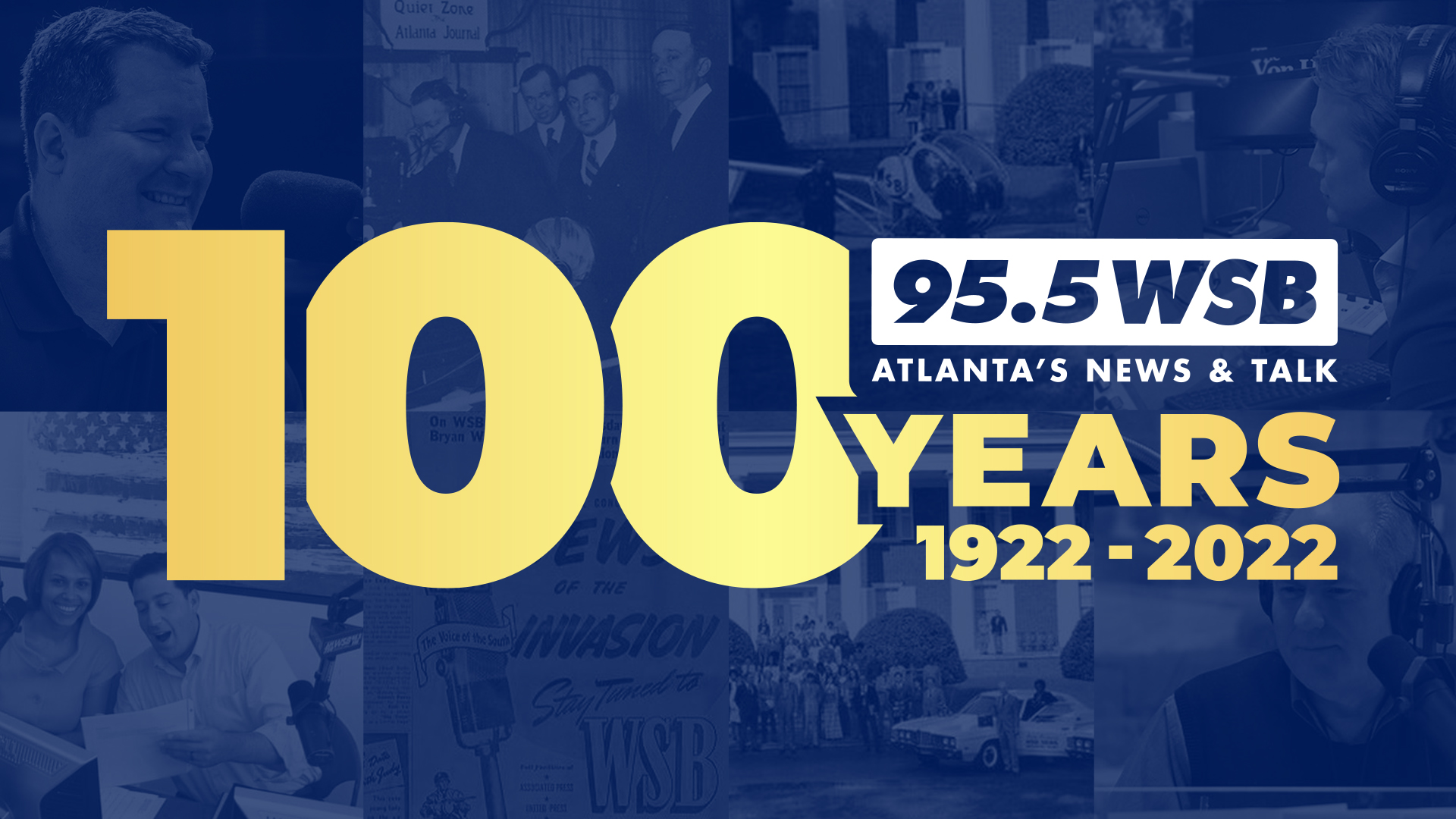
You have choreographed several line dances, esp. lately, "Heartfirst",, what does it take to come up with your own line dance. In my opinion, the music is a big part of choreographing a dance - When I here a song that personally touches me, it inspires me to dance to it - I have only choreographed a few dances over the years and a few with other instructors - The dances that I choreographed, I did more for myself than anything else but it is nice when dancers like a dance that you choreographed - If the dance is successful, wonderful and if not, it's all good because like I said, I did it more for my enjoyment. What dance is YOUR all time favorite and why? My all-time favorite dance to dance is, *Somewhere With You* choreographed by Scott Shrank & Junior Willis to the song, "Somewhere With You" by Kenny Chesney - I LOVE the song, the flow of the dance to the song and both Scott and Junior are great guys. How long do you think you can continue to teach? As long as my body holds up and my MS cooperates, I will be teaching and dancing until I am not able. What do you see the future of line dancing will be? I believe that there will always pretty much be line dancing because it is fun and good for your body and mind - We need the younger generation to get involved - Youth is a wonderful thing but does not last forever. WSB Radio in Atlanta is celebrating this month, 100 years on the air. Did you know that WSB and Atlanta COULD had been the WSM and Nashville and maybe had THe Grand Ole Opry here? The station went on the air on March 15th, 1922. In February 1924, Lambdin Kay called Art Gillham "The Whispering Pianist" while performing on WSB, a name he used in billing on Columbia Records, radio and theatre. Gillham returned to WSB in 1937 for regular programs. In 1927, WSB became an NBC Red Network affiliate. The trademark three-tone NBC chimes were first played in the WSB studios. But how did country music start at WSB? Fiddlin' John Carson was born in Cobb County in 1894 and by 1914 he had been performing on the streets of Atlanta. Between 1914 and 1922, he was proclaimed "Champion Fiddler of Georgia" seven times. The governor of Tennessee, Robert L. Taylor, dubbed him "Fiddlin' John". In 1919, Carson began touring, mostly the areas north of Atlanta, with his newly formed band the Cronies. He became associated with many politicians of Georgia, like Tom Watson, Herman Talmadge, and Eugene Talmadge, relations that gave rise to new songs like "Tom Watson Special". Carson and his daughter Rosa Lee began a series of performances for different political campaigns: for the Tom Watson U.S. Senate Campaign in 1920, for all of the Gene Talmadge campaigns, and for the Herman Talmadge for governor campaign. On September 9, 1922, Carson made his radio debut a WSB in Atlanta, The signal of WSB radio reached far into rural areas and was an important factor in creating country music "stars" such as Fiddlin John and others, similar to the role of WSM in Nashville. Many people CAME to the studios of WSB to see and hear the live performances at the station. WSBs best known country music program was the WSB Barn Dance. From August 1926 until October 1928, the Sears Agricultural Foundation hosted a radio show, broadcast from the Atlanta Sears tower (now Ponce City Market) called "Dinner Bell R.F.D.". R.F.D. stood for the club "Radio Farmers' Democracy". The show aired on WSB radio between noon and 1 pm three times a week, featuring old-time musicians and string bands. Gradually, after the 1930s, Nashville became the capital of country music. In addition, Atlanta's aspirations to more "upscale" arts discouraged both the hillbilly band and blues scenes. thus pushed the decline of this type of country music at WSB. From the 1940s to the mid-1950s, Atlantans supported a thriving live country music scene, but the city no longer was a major center of music recording as Nashville had started the roots of country music and the Grand Ole Opry. But for a while there, if things had gone certain ways, Atlanta could had easily be today's "Nashville". (Sources: Wikipedia, WSB Radio).
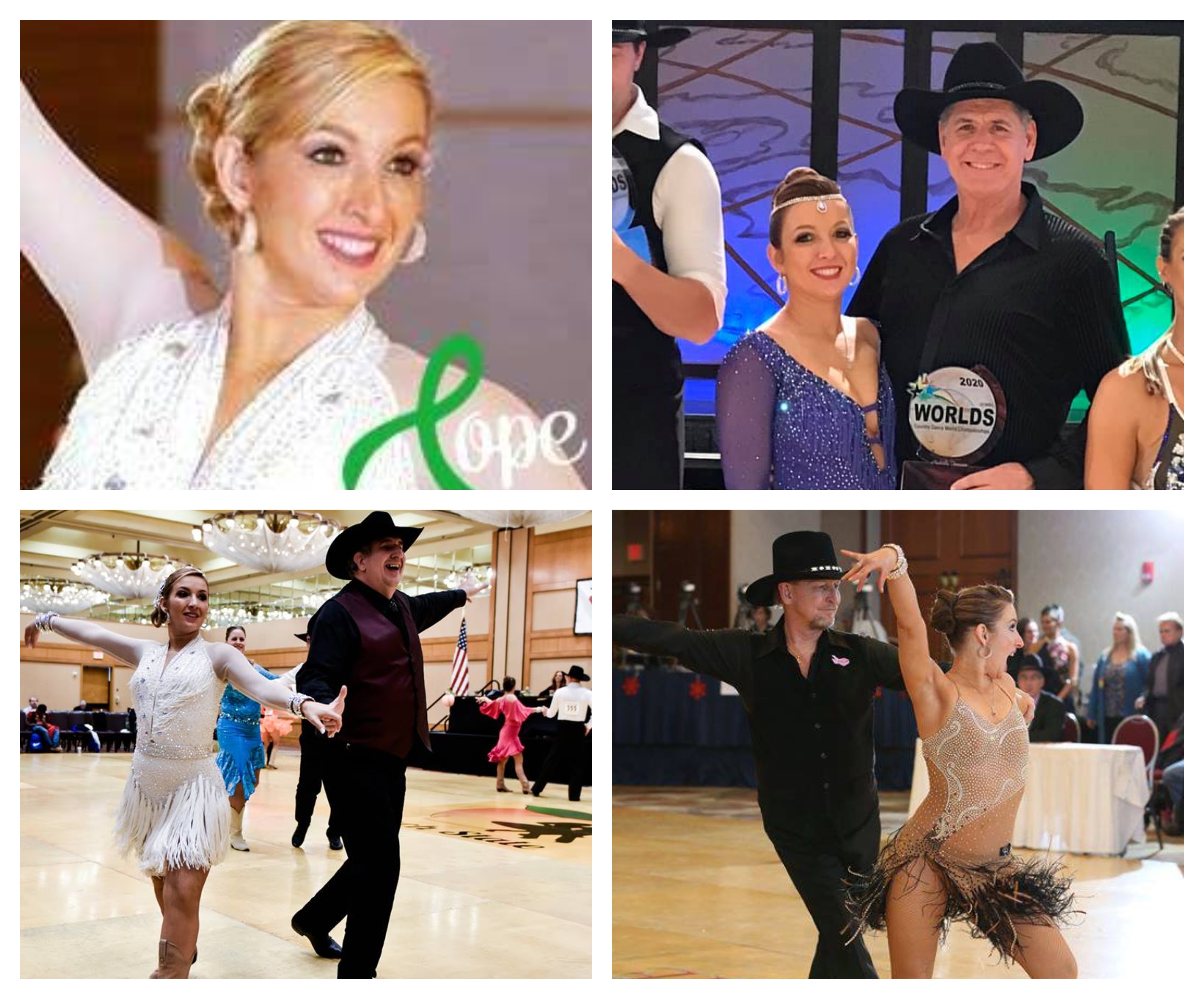
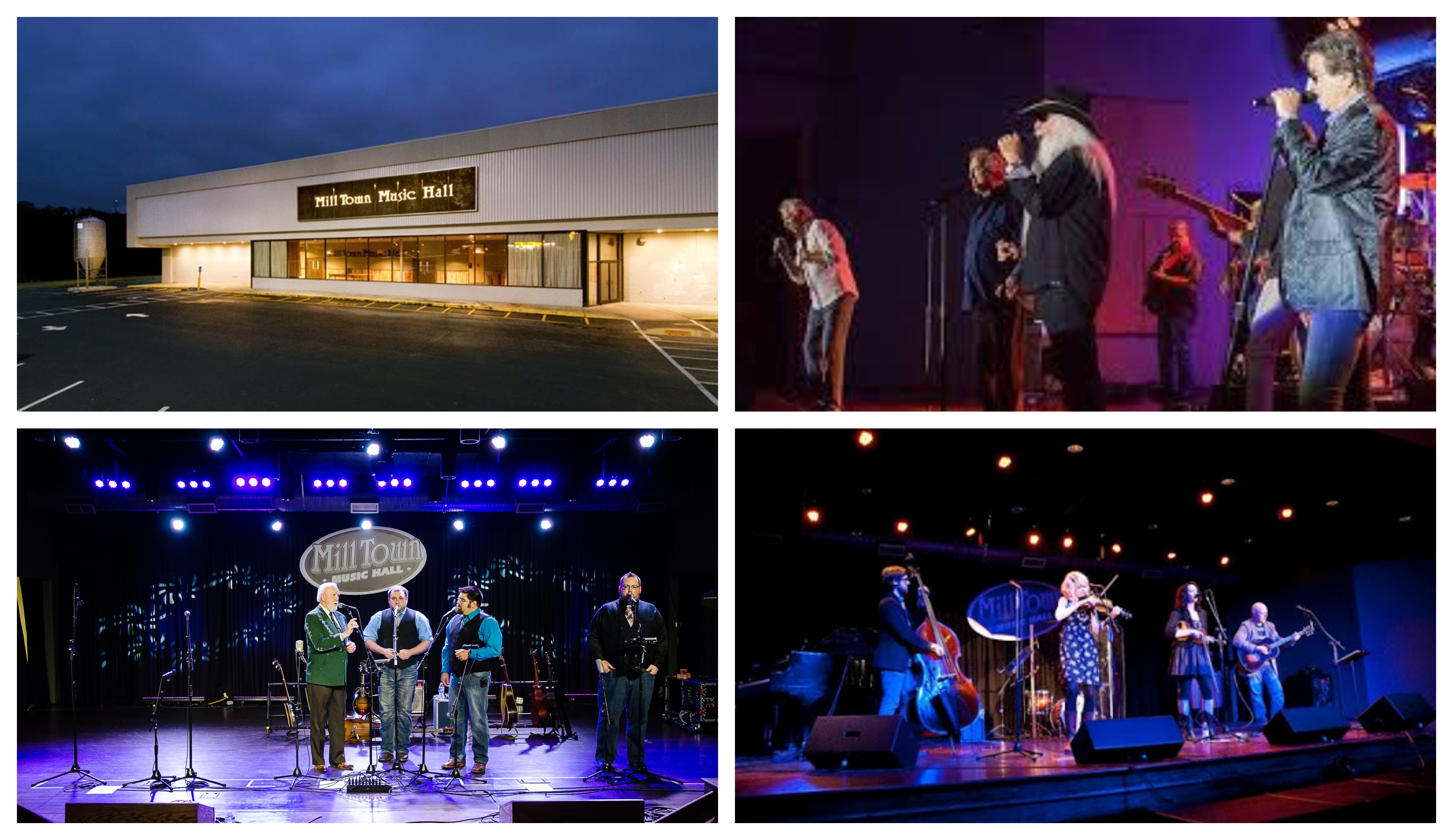
Below is our interview with World Champion country dancer Rachel Champion, from Atlanta. We ask her how she got into country dancing, her experience at the World Championships, her favorite dance and more. GC: Rachel, when did you start dancing and what got you into it? RC: I started dancing when I was 19. I was home from college for the summer and my friends convinced me to got to an under 21 line dance place in Gadsden, Alabama. I got hooked that night and spent about 4 nights week over the summer. It was such a happy place for everyone to hang out and learn every line dance we could. The manager had a pro couple come in and do a two-step exhibition. That really made me want to learn more. My best friend from high school and I borrowed every video tape from the manage of the club, yes I am old, and learned everything we could. Other kids joined us and we we on our way to become couples dancers as well of line dancers. GC: Did you find couples dancing easy to learn or was there any that it took time to learn? RC: It was easy for us because we were kids and didn't care if it looked stupid, it was about fun. I will confess waltz was the most difficult. GC: What were your favorite places to go dancing early on? RC: Southern Country Express (the under age club), Dee Fords (They served food so we could get in) and Ropers in Birmingham. GC: What is your favorite dance and why? RC: Two-step of course! It was the one I saw first and the first dance I won. I think two-step music is upbeat and the tempos vary. It is a great social dance and where it all started. GC: What would be your number one tip for anyone NEW at dancing? RC: Laugh at yourself. The students who have had fun learning, usually learn the fastest. The one's who get frustrated takes longer to learn. GC: When and why did you get into competition dancing? RC: I was a college cheerleader and Team-all American, so competition was in my blood. I needed something to work towards, so it was a natural progression. Competition isn't about the winning. It's about setting goals and having accountability. GC: What is the experience like competing at the Worlds? (Country dance world championships) RC: It's amazing! Being in the same room with people from all over the world, who love country dancing as much as I do is fantastic. Trust me the awards are wonderful, but that's not the magic of World's for me. It's definitely the people. GC: What tip would you give to anyone that wanted to compete? RC: You will never feel ready. Trust your coach and get out there. GC: In 2020, you became the owner of Atlanta Dance in Marietta. What brought you to that decision and how has that experience been for you? RC: The opportunity popped up and I took it. Why? I love having a place where people can go and leave the outside world well, outside. The studio has a long standing reputation for social dancing and we need that to continue in Atlanta. We also have so people who want to compete and we are happy to help with that as well. We had our first mini match in the studio and to watch people improve and feel good about their progress and performance, reinforces what I already knew...dancing is healing. As we mature there's not a lot of things to look forward to, but dance can help you discover things you never knew you had inside you. For more information on Rachel and Atlanta Dance, go to Atlanta Dance Below is our interview with Steve Bennett, manager at Mill Town Music Hall. A former winner of a Georgia Country Award and one of the top music venues in Georgia and the south GC: Steve, tell us when did Randall, you and others first envision a concert / music hall? SB: I first heard about Mill Town in November of 2011. Randall and Tena already had plans drawn. Randall's friend, Jim Pearson of gospel group, The Diplomats, had approached him with the suggestion of opening a concert venue. A few years earlier, Randall and Tena had purchased the shopping center after Walmart moved out. At the time, this Walmart was literally the smallest Walmart in the world. Randall and Tena did not want to see the center go dark after Walmart moved out, so they purchased the shopping center and attracted new tenants for the vacant spaces. Ingle's became the flagship of the center until they built a larger store in Bremen and vacated the center. Randall had spoken to investors interested in bringing a movie theater, a bowling alley, and other things in the space previously occupied by Ingle's, but God ultimately gave him the vision for Mill Town Music Hall, and he and Tena stepped out in faith to build it. INTERVIEW WITH NEW COUNTRY 101.5FM, PROGRAM DIRECTOR, MIKE MORE (April 2nd, 2025)
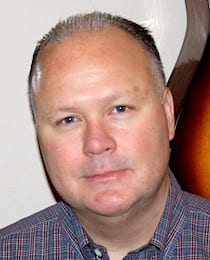
INTERVIEW WITH ATLANTA AREA LINE DANCE INSTRUCTOR, LESLIE THOMPSON
WHEN ATLANTA COULD HAD BEEN NASHVILLE
Rachel Champion interview
Mill Town Music Hall interview
GC: How long did it take when you first talked about it to where you knew it was going to be a reality?
SB: A very short time. Randall assembled a team and told us that he wanted to open in late January. This was in mid-November. We had to get busy quickly.
GC: Was classic country artist always what you wanted to showcase and why?
SB: We had planned to have Classic Country artists from the beginning. We also wanted to feature Bluegrass, Southern Gospel, and Contemporary Christian. Some of our first artists included The Isaacs, Dailey and Vincent, Ricky Skaggs, Steven Curtis Chapman, and the Oak Ridge Boys.
GC: How did you all end up in Bremen?
SB: The venue was always going to be in Bremen because Randall already owned the building.
GC: How did the name Mill Town Music Hall come about?
SB: Bremen was a manufacturing town that at one time employed 3000 people in the clothing manufacturing business. Unfortunately, Bremen and many other US manufacturing towns were hit hard when NAFTA was introduced in the early 1990s. The name, Mill Town Music Hall, is a tribute to the greatness of Bremen's manufacturing business from the 1950s through the 1990s. During many of those years, 2 out of every 3 suits made in the USA were made in Bremen and the surrounding area.
GC: What was the biggest hurdle getting the music hall up and going?
SB: Letting people know that we were here was the biggest challenge. Many people thought a 1,000 seat concert venue could not be successful in Bremen. We began advertising in newspapers, on the radio, on billboards, on social media, and everywhere we could to get the message out.
GC: What has been the highlight of the music hall so far?
SB: There have been several. Some of the most memorable moments have been the nine consecutive sold out Oak Ridge Boys' shows, having legends like Loretta Lynn and Charley Pride on our stage, the Kenny Loggins show, and the Harold Shedd Tribute in 2012 which featured performances by Alabama and Toby Keith.
GC: You all recently lost Randall due to his ALS. What did it mean to have Randall in the history of Mill Town Music Hall?
SB: Randall and Tena are the heartbeat of Mill Town. Their fingerprints are on every aspect of Mill Town. From the decision to not serve alcohol at the shows, to beginning every show with prayer, to the extremely high levels of hospitality and customer service, to the cleanliness of the venue. Randall left a legacy that will live on not only at Mill Town, but also in the entire West Georgia community.
GC: Which artist has been Mill Town's favorite and so far?
SB: There are too many great artists to pick one favorite. Some of our favorites have been Charlie Daniels, Kenny Loggins, Sara Evans, Charley Pride, Loretta Lynn, The Temptations, John Berry, Shenandoah, T. Graham Brown, and of course, The Oak Ridge Boys. There are many more artists that we absolutely love, so it is difficult to list only a few.
GC: What do you see the future of Mill Town Music Hall?
SB: We plan to carry on Mill Town Music Hall as we did when Randall was here. There are no immediate plans to make any significant changes. God has brought us this far, and we trust Him to guide us the rest of the way.